
Best Solar Company in Pakistan 2026: How to Choose and Store Power
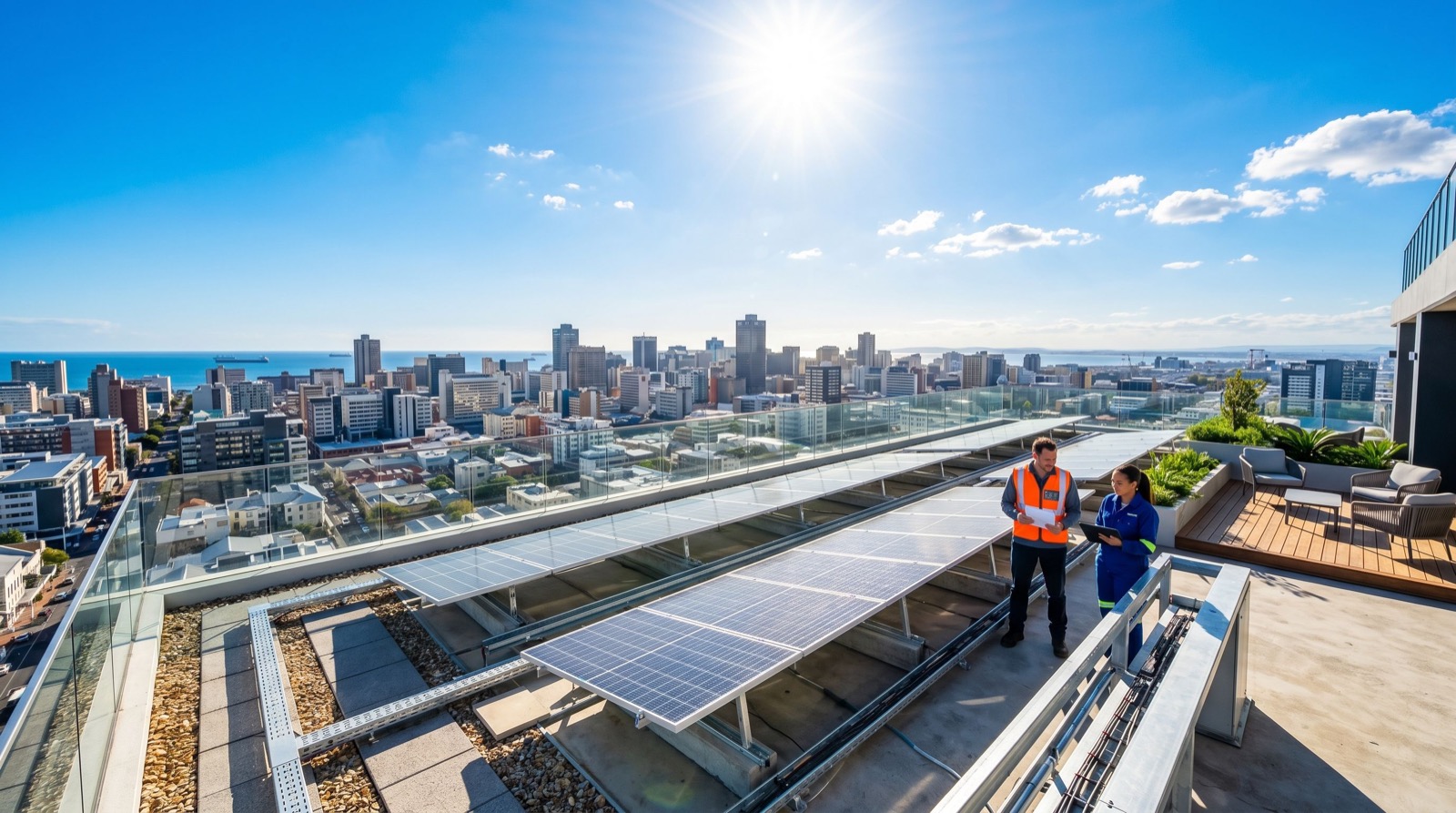
Finding the best solar company in Pakistan is only half the battle in 2026 — the other half is choosing the right battery so your solar keeps working after sunset and through load-shedding. A brilliant panel array paired with the wrong storage is like a sports car with a leaking fuel tank. Both decisions deserve equal attention.
This guide connects the two: how to identify a genuinely reliable installer, and how to pick and price the batteries that make your system truly independent. Get both right and you build a home power setup that pays for itself and outlasts the loan.
What Makes the Best Solar Company in Pakistan?
Reputation is easy to claim and hard to earn. The strongest companies share a few concrete traits that you can verify rather than take on faith.
They publish their component brands openly, provide itemised quotes, and back the work with a separate workmanship warranty. They also offer real after-sales service, because a solar system is a 25-year relationship, not a one-off sale.
Signals of a trustworthy installer
- A physical office and a track record you can independently check.
- Tier-1 panels and reputable hybrid inverters with local warranty support.
- Honest sizing that matches your real consumption, not an oversized upsell.
- Transparent battery recommendations with clear lifespan expectations.
- Monitoring tools so you can track generation and battery health yourself.
When a firm ticks these boxes, you are looking at a partner rather than a vendor. That distinction is what separates the best solar company in Pakistan from the crowd of resellers chasing quick sales.
Why Battery Choice Decides Your Real Independence
On-grid solar saves money, but it shuts off during a blackout unless you add storage. Batteries are what turn your rooftop into genuine backup power. The two dominant options in Pakistan are lead-acid (tubular) and lithium (LiFePO4).
Lithium costs more upfront but delivers far more usable cycles, deeper discharge, and a longer life. Lead-acid is cheaper today but replaced more often, so the lifetime cost frequently ends up higher.
Lead-acid vs lithium at a glance
| Feature | Lead-Acid (Tubular) | Lithium (LiFePO4) |
|---|---|---|
| Cycle life | 500–1,200 | 4,000–6,000 |
| Usable depth | ~50% | ~90% |
| Typical lifespan | 2–4 years | 8–12 years |
| Maintenance | Regular (water top-up) | None |
| Upfront cost | Lower | Higher |
For most households planning to stay put, lithium wins on lifetime value. Renters or short-term buyers sometimes still choose lead-acid to keep the upfront outlay low.
How Much Should You Budget for Solar Batteries?
Battery pricing depends on chemistry, capacity, and brand. In 2026, expect to compare a lower entry cost for tubular batteries against a higher but longer-lasting investment in lithium.
Before you commit, check current pricing for a lithium battery price in Pakistan so you can weigh it against tubular options on a cost-per-cycle basis. Divide the price by the rated cycles, and lithium’s advantage becomes obvious.
Sizing your storage
- List the appliances you need during an outage — lights, fans, router, maybe a fridge.
- Add up their wattage and multiply by the hours of backup you want.
- Add a 20% buffer for efficiency losses and future needs.
- Match that total to a battery capacity with the right usable depth.
Oversizing wastes money, while undersizing leaves you in the dark. A skilled installer runs this calculation with you rather than guessing.
The economics of storage keep improving each year. The U.S. Department of Energy’s National Renewable Energy Laboratory reports steady declines in battery cost per kilowatt-hour, and that global trend reaches Pakistan too. Buying from an experienced local team ensures you get authentic cells with a real warranty behind them.
How to Extend the Life of Your Solar Batteries
A battery is the shortest-lived part of most solar systems, so protecting it directly protects your investment. A few habits can add years to its service life, especially in Pakistan’s heat.
Heat is the number one enemy of every battery chemistry. Installing storage in a shaded, ventilated space rather than a hot rooftop cabinet can noticeably slow degradation.
Practical habits that add years
- Keep batteries in a cool, dry, well-ventilated location away from direct sun.
- Avoid draining lead-acid units below 50% capacity to protect their plates.
- Let your inverter’s charge controller manage charging rather than overriding it.
- For tubular batteries, check and top up the water level on schedule.
- Monitor state-of-health through your app and act on any sudden drop.
Lithium batteries need far less babysitting thanks to their built-in management systems, which is a hidden reason they often outlast their spec sheet. Even so, keeping them cool remains the golden rule.
Building a System That Grows With You
Your energy needs rarely stay frozen. A new air conditioner, an electric vehicle, or a home office can all raise demand over time, so plan for tomorrow, not just today.
The smartest path is often to start with a battery-ready hybrid inverter, even if you install fewer batteries at first. That single decision lets you expand storage later without replacing the core of your system.
- Choose a hybrid inverter sized slightly above your current panel array.
- Install enough battery capacity for today’s essential loads.
- Leave physical and electrical room to add more panels or storage later.
- Keep documentation so any future upgrade matches your existing setup.
This forward-looking approach costs a little more upfront but saves a great deal when your needs inevitably grow. A quality installer will design with this expansion in mind from day one.
Frequently Asked Questions
How do I find the best solar company in Pakistan?
Look for a physical office, verifiable past projects, itemised quotes, Tier-1 hardware, honest sizing, and a separate workmanship warranty. Transparency on every point is the clearest signal of quality.
Is lithium worth the higher price?
For most homeowners, yes. Lithium lasts three to four times longer than lead-acid and discharges deeper, so its cost per usable cycle is usually the lowest over the system’s life.
Can I add batteries to an existing solar system?
Yes, if you have a hybrid or battery-ready inverter. If your inverter is on-grid only, you may need to upgrade it before adding storage.
How long do solar batteries last in Pakistan’s climate?
Quality lithium batteries typically last 8 to 12 years, while tubular lead-acid units last 2 to 4 years. Keeping them cool and correctly charged extends both.
Conclusion
Choosing the best solar company in Pakistan and pairing it with the right battery are two halves of the same decision. Vet the installer on transparency and track record, then size your storage to the outages you actually face.
Ready for true energy independence? Talk to a reputable installer about a hybrid system and get a clear, itemised quote covering both panels and batteries today.